Clean water is a global necessity, and purifying it is a significant challenge. Haycarb Activated Carbon provides comprehensive solutions to the growing challenge of water purification using cutting-edge carbon manufacturing technologies. Our high-quality, standard, and specially processed products comply with NSF-61, NSF-42, and PROP-65 certifications. Our activated carbon for water treatment effectively removes organic molecules, including Volatile Organic Compounds (VOCs), disinfection by-products (DBPs), chlorinated compounds, chloramines, polycyclic hydrocarbons, micropollutants such as PFAS, heavy metals, colored bodies, toxins and oils among many other contaminants. The superior hardness, adsorption characteristics, ideal pore dimensions, and controlled particle size distribution ensure consistent, high-quality performance of our carbon products used in granular & block filters.
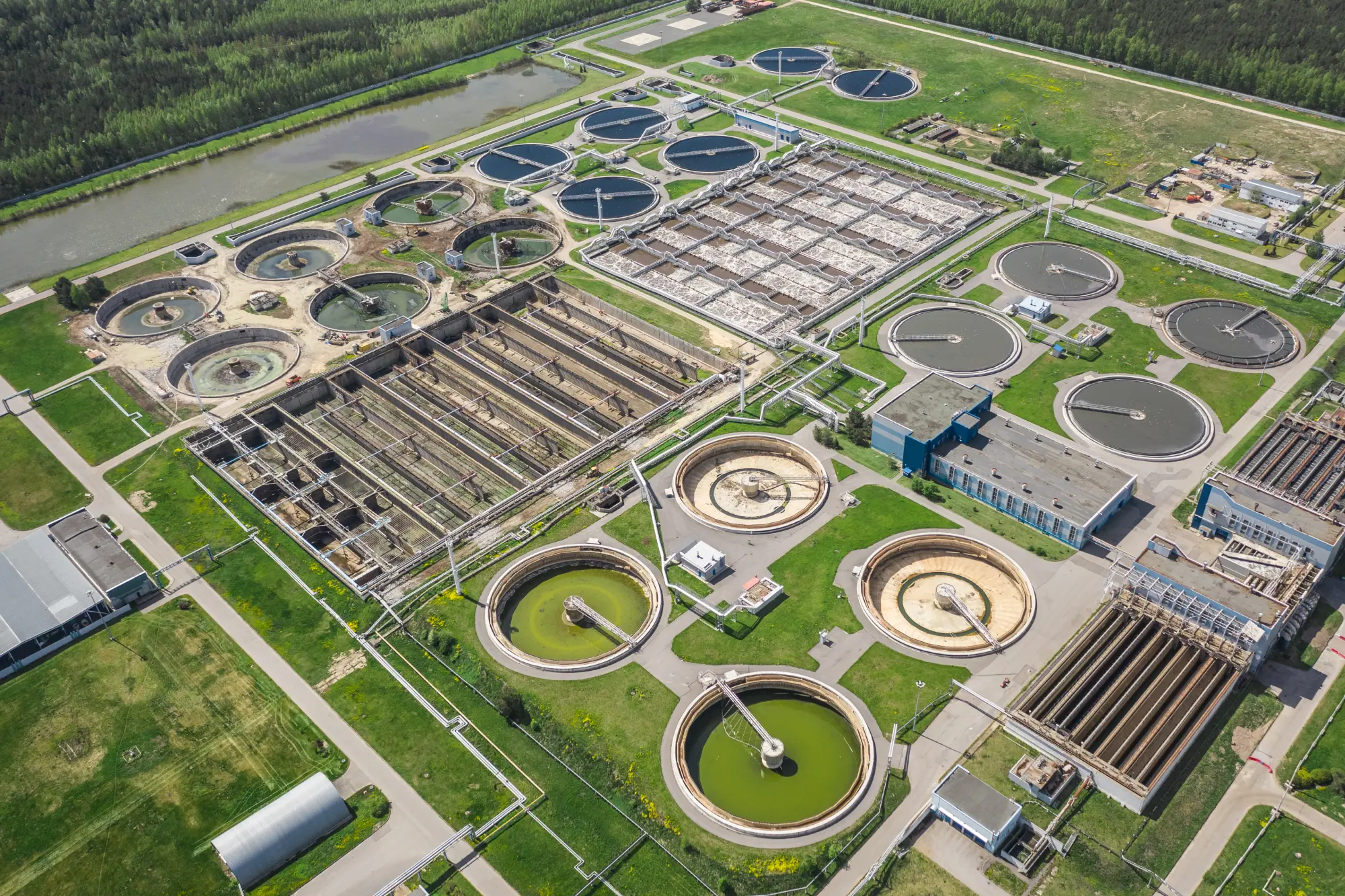
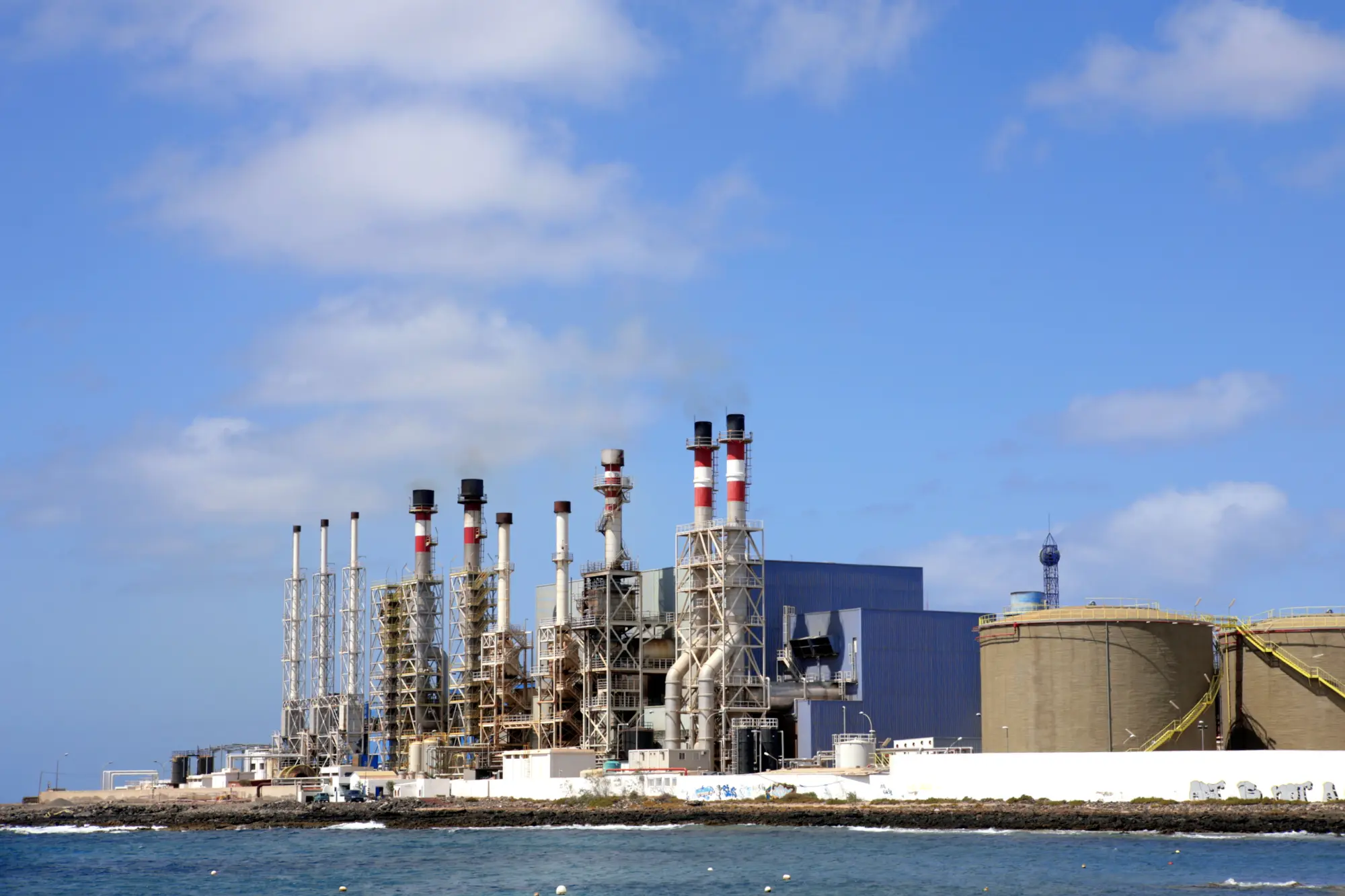
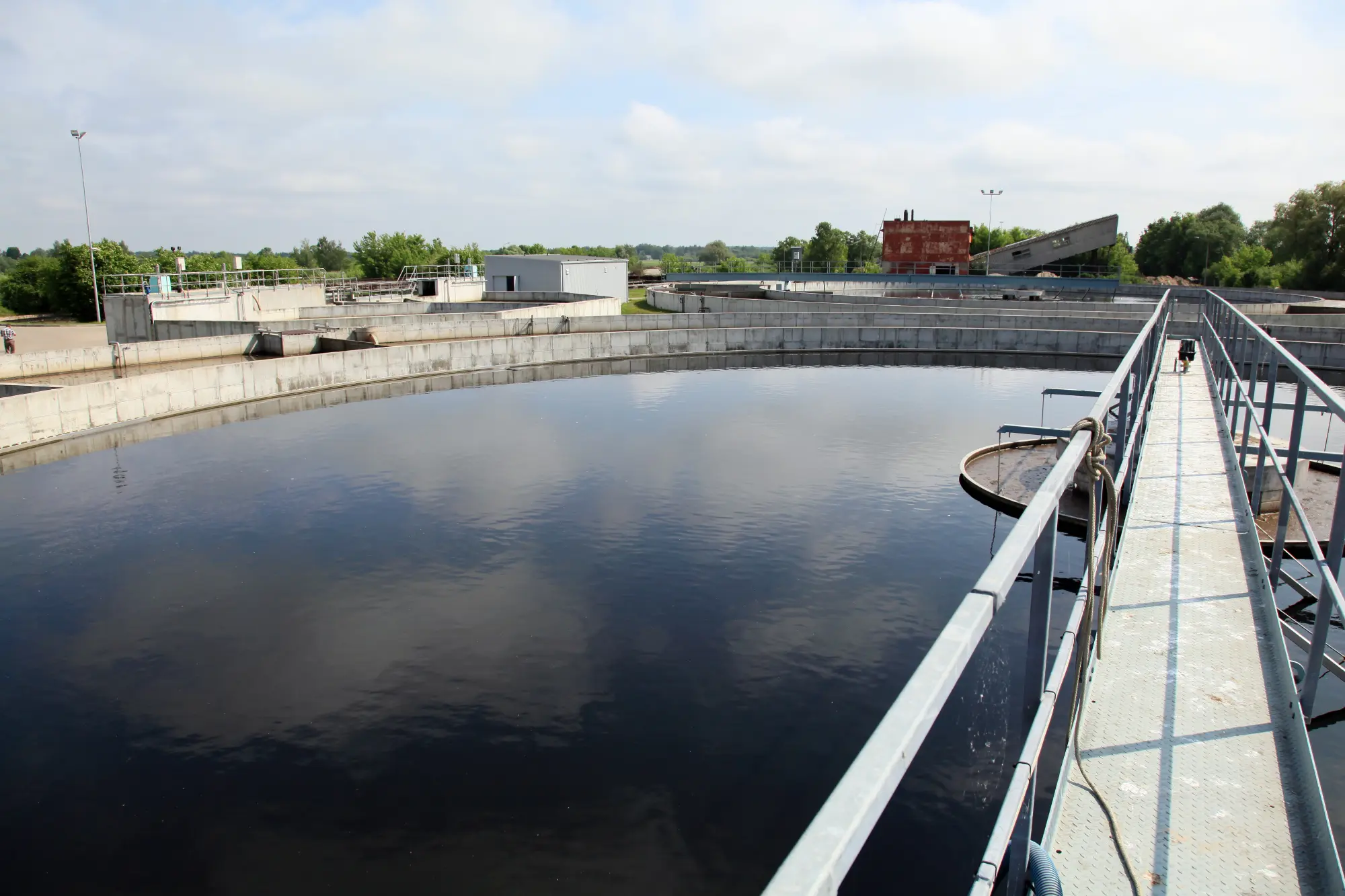
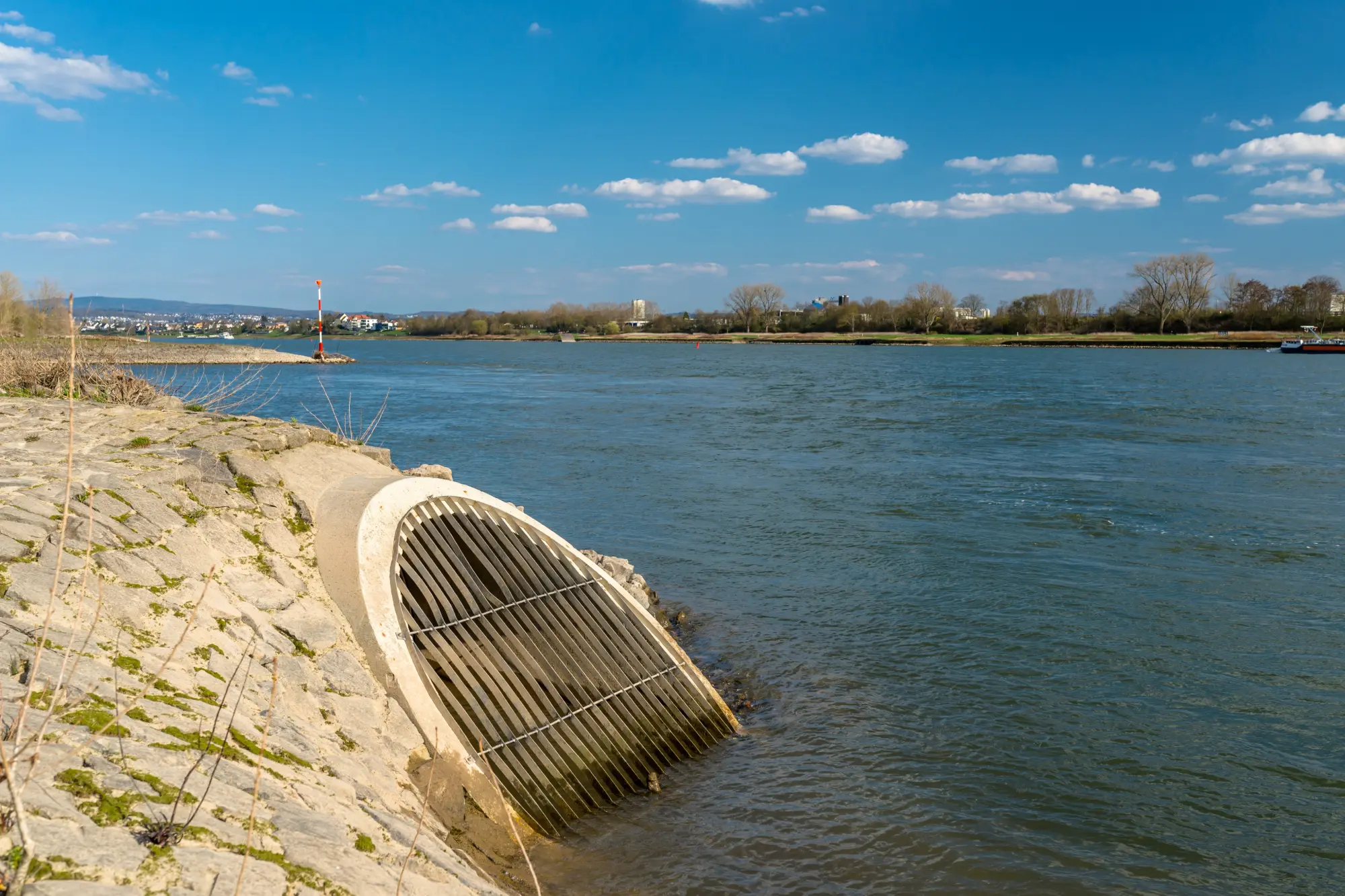
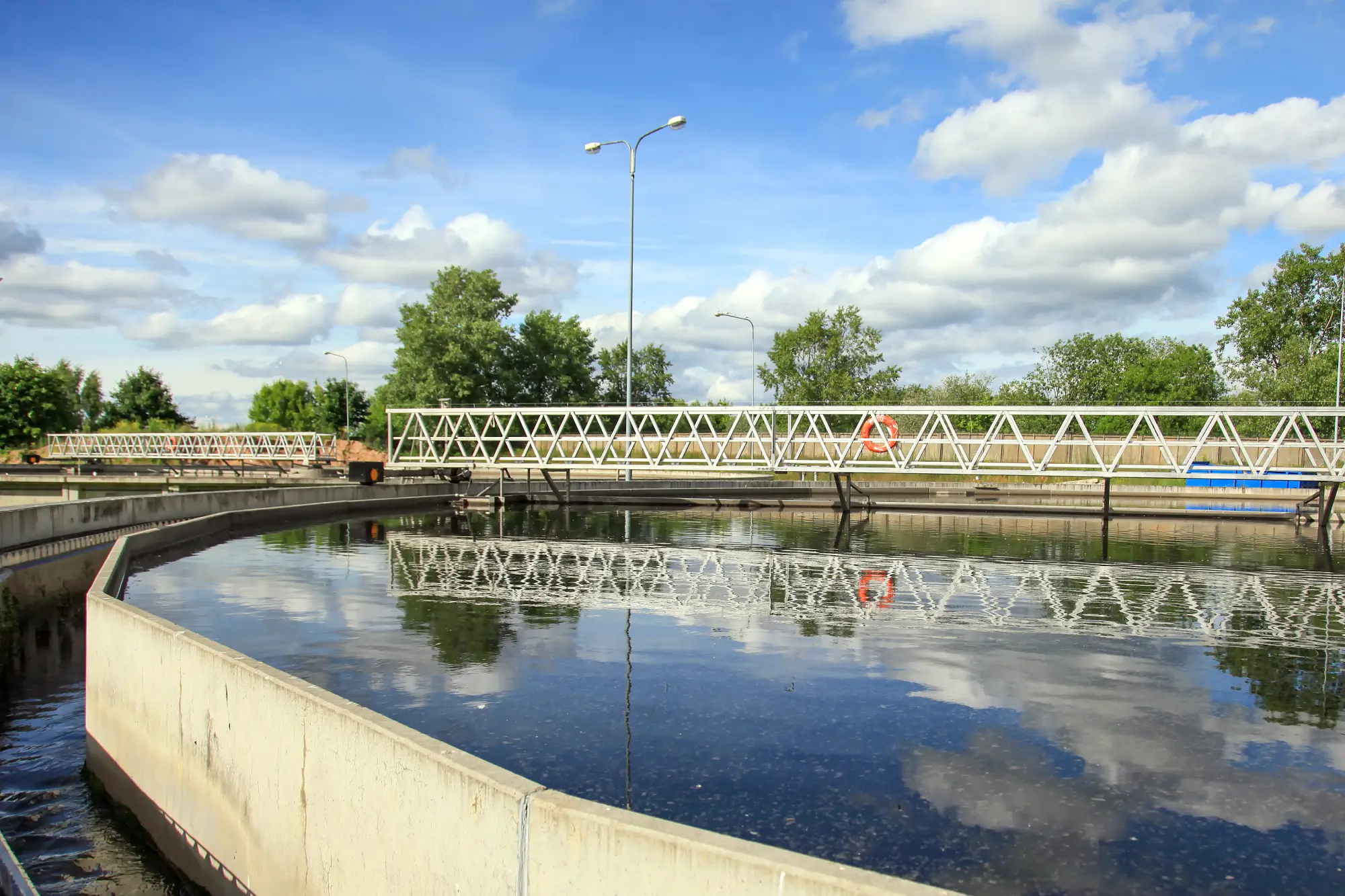
Haycarb Activated Carbon solutions are tailored for a broad range of critical applications, including drinking water, wastewater, and industrial water treatment, as well as groundwater remediation and purification systems for swimming pools and aquariums. Our versatility also extends to the food and beverage industry, enhancing product quality and safety. Whether in households, municipal setups, or industrial facilities, Haycarb remains committed to superior water purification through advanced activated carbon technology.